Open Today Sales: 11 AM-5 PMService: Closed
It’s tough when it comes to deciding between two notable SUVs, like the 2021 Toyota Highlander and the Nissan Pathfinder. These vehicles offer their drivers quite a lot in terms of space, power, features, and style. When it comes to choosing your next ride around the Amherst, Manchester, and Derry, NH areas, which one ultimately makes the cut?
At Ira Toyota of Manchester, we’re here to help drivers learn more about the Highlander and the Pathfinder. We’ll focus on both the similarities and the differences, so you can see which one suits you best!
| Toyota Highlander | Nissan Pathfinder |
| 3.5L V6 engine | 3.5L V6 engine |
| 295 horsepower and 263 lb-ft of torque | 284 horsepower and 259 lb-ft of torque |
| 27.7 inches of third-row legroom | 28 inches of third-row legroom |
| 84.3 cubic feet of cargo volume | 80.5 cubic feet of cargo volume |
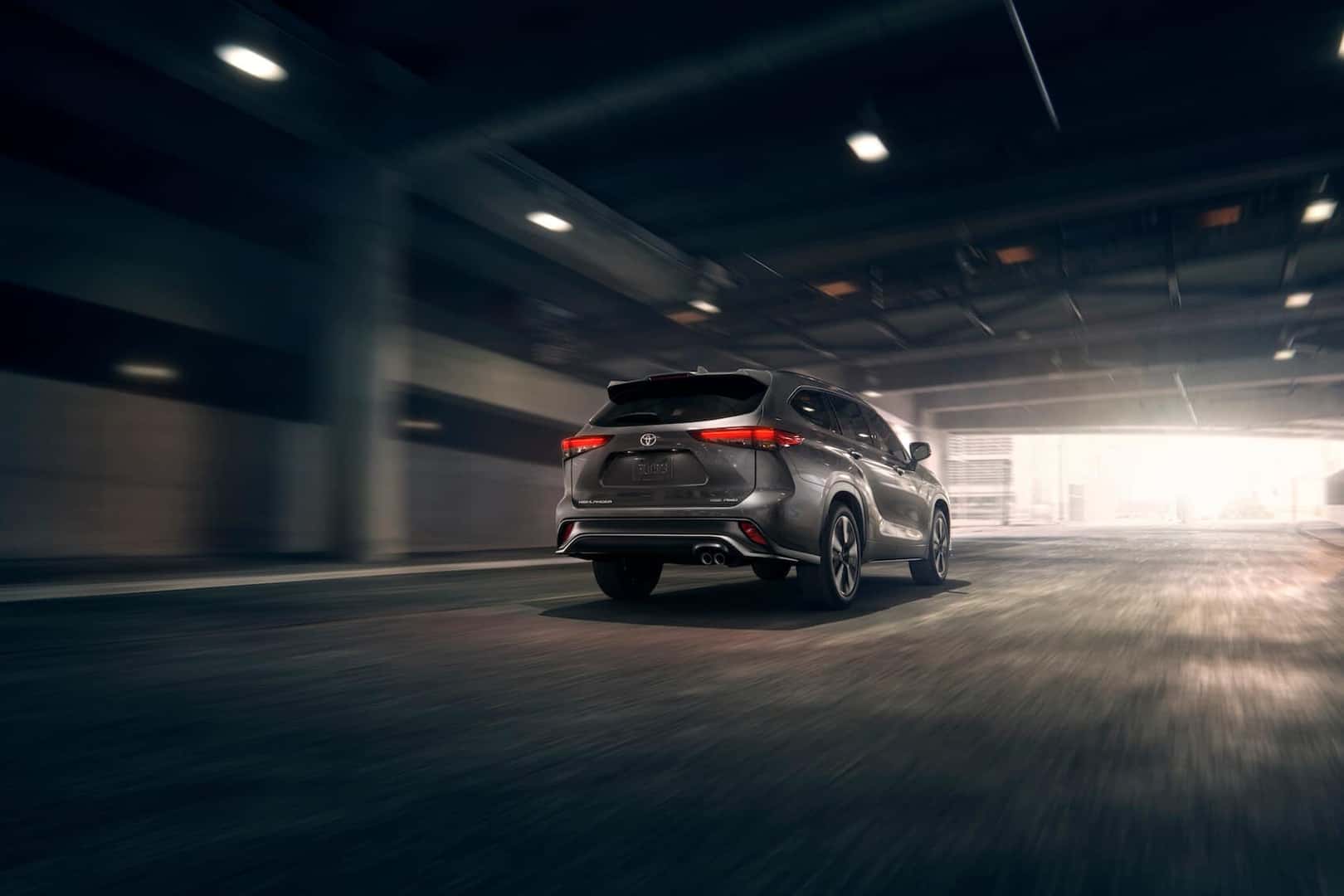
Both the Toyota Highlander and the Nissan Pathfinder are equipped with similar 3.5L V6 engines.
Despite their similar engines, there’s a difference when it comes to their respective outputs. The Toyota Highlander engine is able to generate 295 horsepower and 263 lb-ft of torque. The Nissan Pathfinder falls a little short in this category by maxing out at 284 horsepower and 259 lb-ft of torque.
The Toyota also offers a hybrid powertrain that produces 243 combined net horsepower while its combustion engine gets 186 horsepower and 175 lb-ft of torque.

With the Toyota Highlander and the Nissan Pathfinder, you’ll experience great MPG that can keep you driving longer distances than before. The Nissan reaches an EPA-estimated 21 city/26 highway/23 combined MPG in its 2WD models and an EPA-estimated 21 city/27 highway/23 combined MPG in its 4WD models.
The Toyota Highlander offers a similar city mileage with its gas trims. It achieves an EPA-estimated 21 city/29 highway/24 combined MPG on its FWD models and an EPA-estimated 20 city/27 highway/23 combined MPG with its AWD models.*
Where the Highlander truly shines, though, is with its hybrid models, which far exceed anything the Pathfinder can offer in terms of fuel efficiency. The hybrid models reach an EPA-estimated 36 city/35 highway/36 combined MPG on the FWD models and an EPA-estimated 35 city/35 highway/35 combined MPG across the board on the AWD models.*
Both vehicles come with fuel-saving technology. The Pathfinder calls it idle stop/start, which in the Highlander is known as the Stop and Start Engine System. These systems will shut down the engine when your foot is on the brake, and then immediately turn it back on when you lift off your foot. This helps save fuel by limiting idling and emissions.
That being said, if you want to maximize your performance in terms of mileage on the road, the Toyota Highlander wins this battle.


Safety is the name of the game in the Highlander and the Pathfinder, as both SUVs offer their respective suites of standard safety technology. These vehicles offer certain similar features, such as:
While all of those features are incredibly useful, the Highlander expands its offerings even further to provide you with a few features that the Nissan can’t match up to:
If you’re ever involved in an accident or have a broken down vehicle while on the road, the Highlander can react immediately and call for help. As part of Safety Connect®, whenever the airbags are deployed, the vehicle will send a signal to the 24/7 response center and an agent will call you and attempt to speak with you.
If you happen to need assistance, they can alert and dispatch local emergency services or authorities to come to your aid. You can also call for help with the push of a button inside the vehicle, which will call the response center.
If your vehicle is stolen, file a police report immediately and then call the response center. They have the ability to work with local law enforcement to locate your vehicle using the Stolen Vehicle Locator, built in to the Highlander. You can also call for towing assistance any time you need it, no matter where you are or how far you need to go.
Unfortunately, you can’t find features like these in the Nissan Pathfinder.

Both the Highlander and the Pathfinder offer spacious cabins with three rows of seating. The Toyota Highlander and the Pathfinder can also accommodate eight passengers. These vehicles offer a similar amount of space across the rows in terms of headroom and legroom as well.
However, they differ in terms of their cargo capacity. Each SUV offers around 16 cubic feet of cargo volume with all of the seats in place. However, when the third row is folded flat, the Highlander offers more space. When the last two rows are folded, the Highlander offers 84.3 cubic feet of cargo room while the Pathfinder only features 80.5 cubic feet of the same.
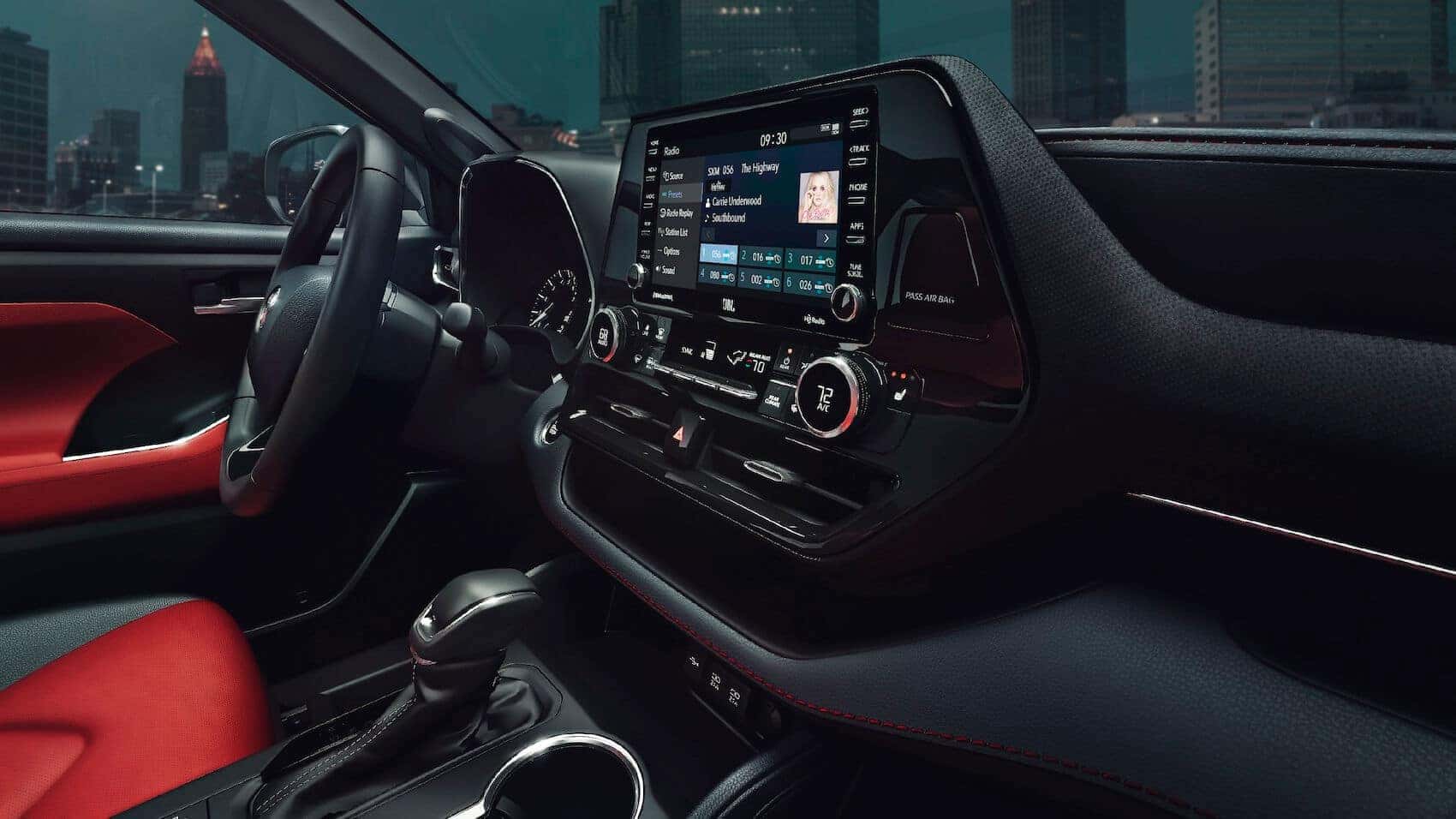
Both the Toyota Highlander and the Nissan Pathfinder come equipped with an 8-inch touchscreen displays mounted onto the center of the dashboard. These screens give you access to an assortment of available media options. Both vehicles include radio service, Bluetooth® for audio streaming and hands-free phone calling, and USB ports to connect portable media players.
Despite their similarities, the Highlander has a few more significant features that can really elevate your experience on the road. These include Amazon Alexa compatibility and a standard built-in 4G LTE Wi-Fi s hotspot. These features will help you stay connected while on the road!
Other features of the Highlander that outcompete the Nissan are:
Having read this Highlander vs. Pathfinder comparison, you’re now well-versed in what these SUVs have to offer and how they differ. We hope that you’ve been able to learn enough about each vehicle to see that the Toyota Highlander offers you more in terms of power, space, and features. You can learn even more about this SUV and how it can add to your trips around Amherst, Manchester, and Derry, NH!
Schedule your test drive with us at Ira Toyota of Manchester today!
* EPA-estimated 21 city/29 hwy/24 combined mpg for 2021 Highlander; 20 city/27 hwy/23 combined for 2021 Highlander AWD; 36 city/35 hwy/36 combined mpg for 2021 Highlander Hybrid. Use for comparison purposes only. Your mileage will vary for many reasons, including your vehicle’s condition and how/where you drive. See www.fueleconomy.gov.

